
Understanding Traffic Offenses in Illinois: What Drivers Should Know About Tickets and Penalties
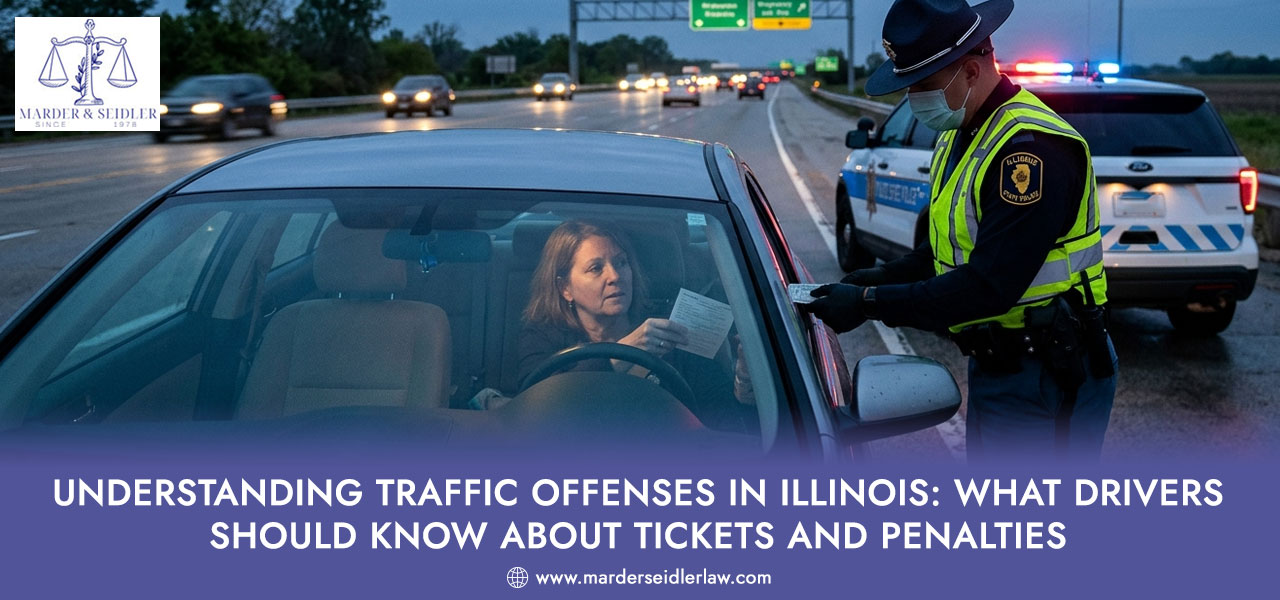
Most drivers receive a traffic ticket at some point in their lives. It might happen during a busy commute, on a long highway drive, or simply during a moment of distraction. While many people see traffic tickets as minor inconveniences, the reality is that traffic offenses in Illinois can carry consequences that go beyond paying a simple fine.
From speeding violations to more serious driving offenses, Illinois law treats traffic violations as legal matters that may affect your driving record, insurance rates, and even your ability to keep your driver’s license. Understanding how traffic ticket penalties in Illinois work can help drivers make informed decisions when dealing with citations.
What Counts as a Traffic Offense in Illinois?
A traffic offense refers to any violation of Illinois traffic laws. These laws are designed to keep roads safe for drivers, passengers, and pedestrians.
Some traffic offenses involve minor rule violations, while others are treated more seriously because they create greater risks on the road.
Common traffic offenses in Illinois include:
- Speeding
- Running a red light or stop sign
- Improper lane changes
- Failure to yield the right of way
- Distracted driving or texting while driving
- Driving without valid insurance
- Driving with a suspended or revoked license
While some of these violations may appear relatively minor, repeated offenses or serious violations can lead to significant legal consequences.
Petty Offenses vs. Misdemeanor Traffic Violations
Illinois generally categorizes traffic violations into two main groups: petty offenses and misdemeanor offenses.
Petty Traffic Offenses
Petty offenses are the most common type of traffic violation. These usually involve rule violations such as speeding, improper turns, or failure to signal.
Petty offenses typically result in:
- Monetary fines
- Court supervision in some cases
- Points added to a driving record
Even though these violations are considered minor, they can still affect a driver’s record and potentially influence insurance costs.
Misdemeanor Traffic Offenses
More serious violations may be charged as misdemeanors. These offenses often involve conduct that poses a higher safety risk.
Examples include:
- Driving under the influence (DUI)
- Driving with a suspended license
- Reckless driving
- Leaving the scene of an accident
- Driving without insurance in certain situations
Misdemeanor traffic offenses may lead to heavier fines, probation, license suspension, or even jail time, depending on the severity of the case.
Traffic Ticket Penalties in Illinois
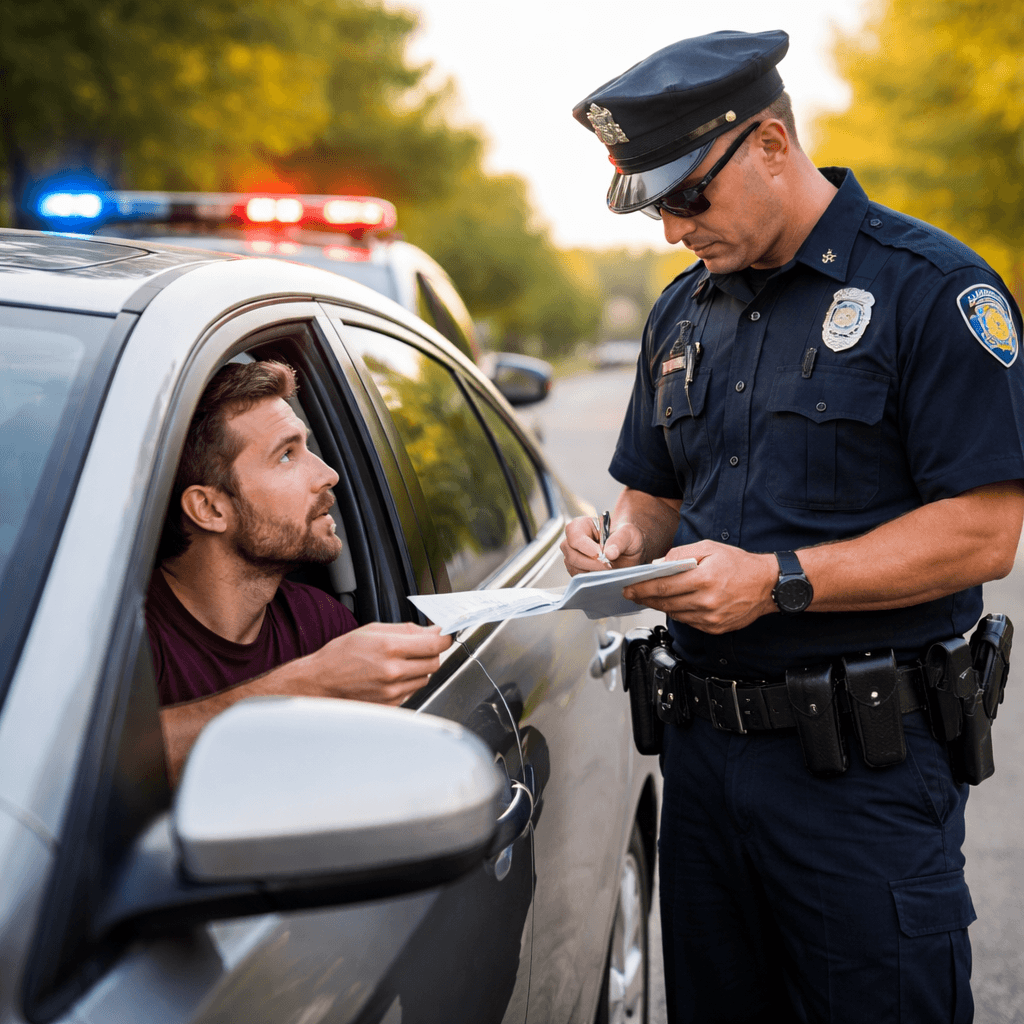
The penalties associated with traffic tickets can vary depending on the nature of the violation. Understanding traffic ticket penalties in Illinois helps drivers see why addressing tickets promptly and responsibly is important.
Common penalties include:
Fines
Many traffic offenses involve financial penalties. The amount of the fine depends on the violation and the county where the ticket was issued.
For example, speeding fines often increase based on how far over the speed limit the driver was traveling.
Points on Your Driving Record
Illinois uses a system that assigns violations to a driver’s record. While the state does not publicly use a simple “point system” like some other states, violations still accumulate on a driving history and may lead to consequences if too many occur within a short period.
Multiple traffic violations can lead to:
- License suspension
- Mandatory traffic school
- Increased insurance premiums
For younger drivers, the threshold for license suspension may be even lower.
License Suspension or Revocation
Serious traffic offenses or repeated violations can lead to license suspension or revocation.
A license suspension usually lasts for a specific period of time and may allow reinstatement once the driver meets certain requirements.
A license revocation is more severe and typically requires the driver to go through a formal reinstatement process with the state before being allowed to drive again.
How Traffic Tickets Can Affect Insurance?
One of the consequences drivers often overlook is the impact on insurance costs.
Insurance companies regularly review driving records to assess risk. When violations appear on a record, insurers may increase premiums because the driver is considered more likely to be involved in future incidents.
Even relatively minor violations can lead to higher insurance rates if multiple tickets occur within a short period of time.
When Traffic Tickets Lead to Court Appearances?
Not every ticket requires a court appearance, but certain violations do. More serious charges, including reckless driving or driving on a suspended license, typically require drivers to appear before a judge.
In these situations, drivers may benefit from understanding their legal options before resolving the case.
At Marder and Seidler, individuals dealing with traffic violations often seek guidance to better understand potential outcomes and how different legal strategies may affect their driving record.
Why Taking Traffic Tickets Seriously Matters?
Many drivers simply pay a ticket and move on, assuming it will not have long-term consequences. However, repeated violations can gradually build a record that leads to larger issues, including license suspension or higher insurance costs.
Being aware of traffic offenses in Illinois and the possible traffic ticket penalties in Illinois helps drivers recognize the importance of addressing citations carefully.
Final Thoughts
Traffic laws exist to promote safety and order on Illinois roads. While some violations may appear minor, they can still carry consequences that affect driving records, insurance rates, and future driving privileges.
Understanding how traffic offenses in Illinois are classified and how traffic ticket penalties in Illinois work allows drivers to make better decisions if they receive a citation.
For many drivers, taking the time to understand their options after a traffic violation can make a meaningful difference in protecting their driving record and avoiding unnecessary complications in the future.